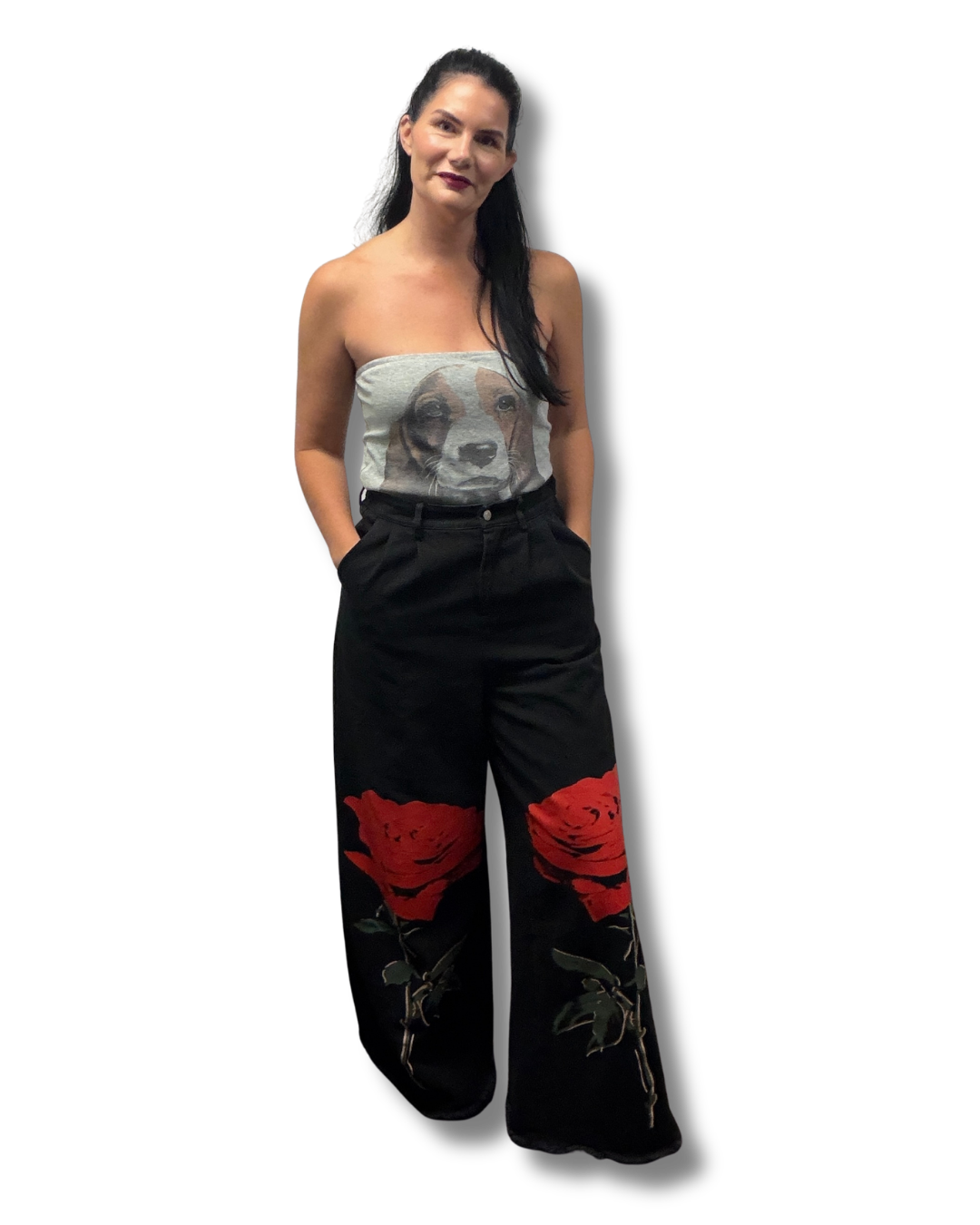
MEET HOLLIE
Former cop turned Energy Alchemist
Most people assume I see what I see because of the trainings I've completed.
The trainings helped. The habit of questioning absolutely everything came first.
The truth is, I was reading people long before I was ever reading nervous systems and identities. Yes, intuition plays a role, but intuition without observation can become projection.
Policing didn’t just teach me to investigate crime. It trained me to separate observation from assumption, to recognise patterns across seemingly unrelated pieces of information, and to understand that the place something is discovered isn’t always where the story began.
Every conclusion had to be earned; “because everyone says so" was never considered evidence, and one clue meant very little.
Five independent clues all pointing in the same direction meant you were probably looking at something worth paying attention to.
Leaving policing didn’t change the way I saw the world.
It changed where I started looking.
Today, I use that same investigative lens to recognise what your body has never stopped communicating, even when everyone else has been looking somewhere else.

MY STORY
Now, let’s rewind…
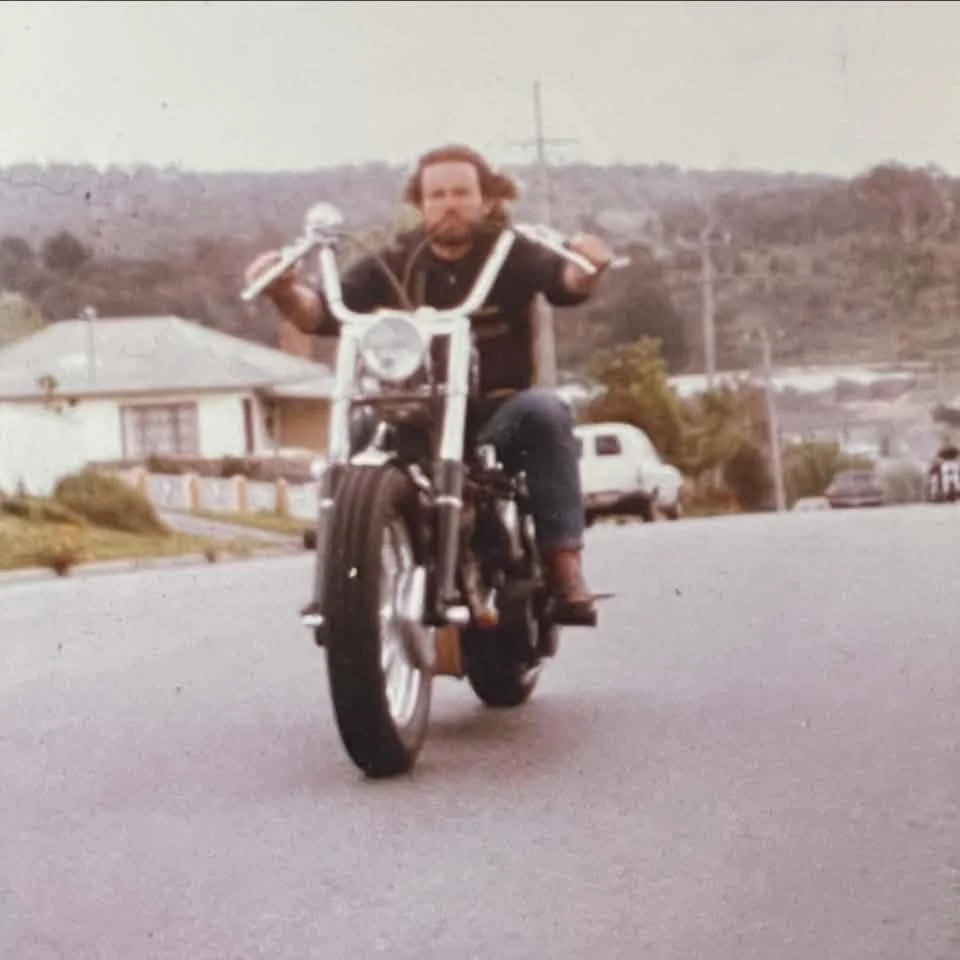
My dad was an outlaw biker from the age of seventeen. He worked his way up the ranks in the club to Sgt. at arms and also handled the club money; he was high up. He later met my mum, and they fell in love, then got married, and they had my older brother, then me.
My mum eventually gave him an ultimatum: leave the club and that lifestyle, or she would have to leave with us kids, as my mum was worried the government would take us kids off them, given my dad's hydroponic setup in the house and everything that came with how dad was living.
He didn't leave. My mum eventually found a christian church that was opening in town, one that promised something better for her kids, so we started going. A few years later, after hitting rock bottom, my dad left the club and joined the church too, and my parents' marriage was restored after being separated for about 3 years. Fun fact: the club was meant to come and burn or cut his club tattoos off his arms, but they never came. He still has them on his arms today.
My parents eventually had 2 more kids. I’m the second eldest of 4 children.
The church seemed fine at first, but then the pastors changed, and that's when everything went downhill. By that point, we were so far into it, and my parents' lives had changed so much, that we were too embedded in it. It became, very quickly, a high-control religious group.
I stayed in that group until I was twenty-five.
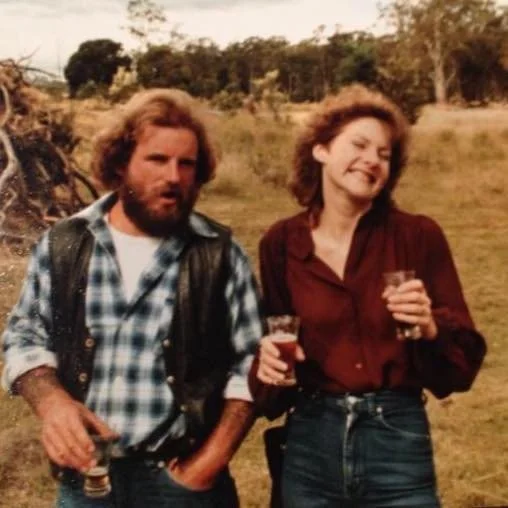
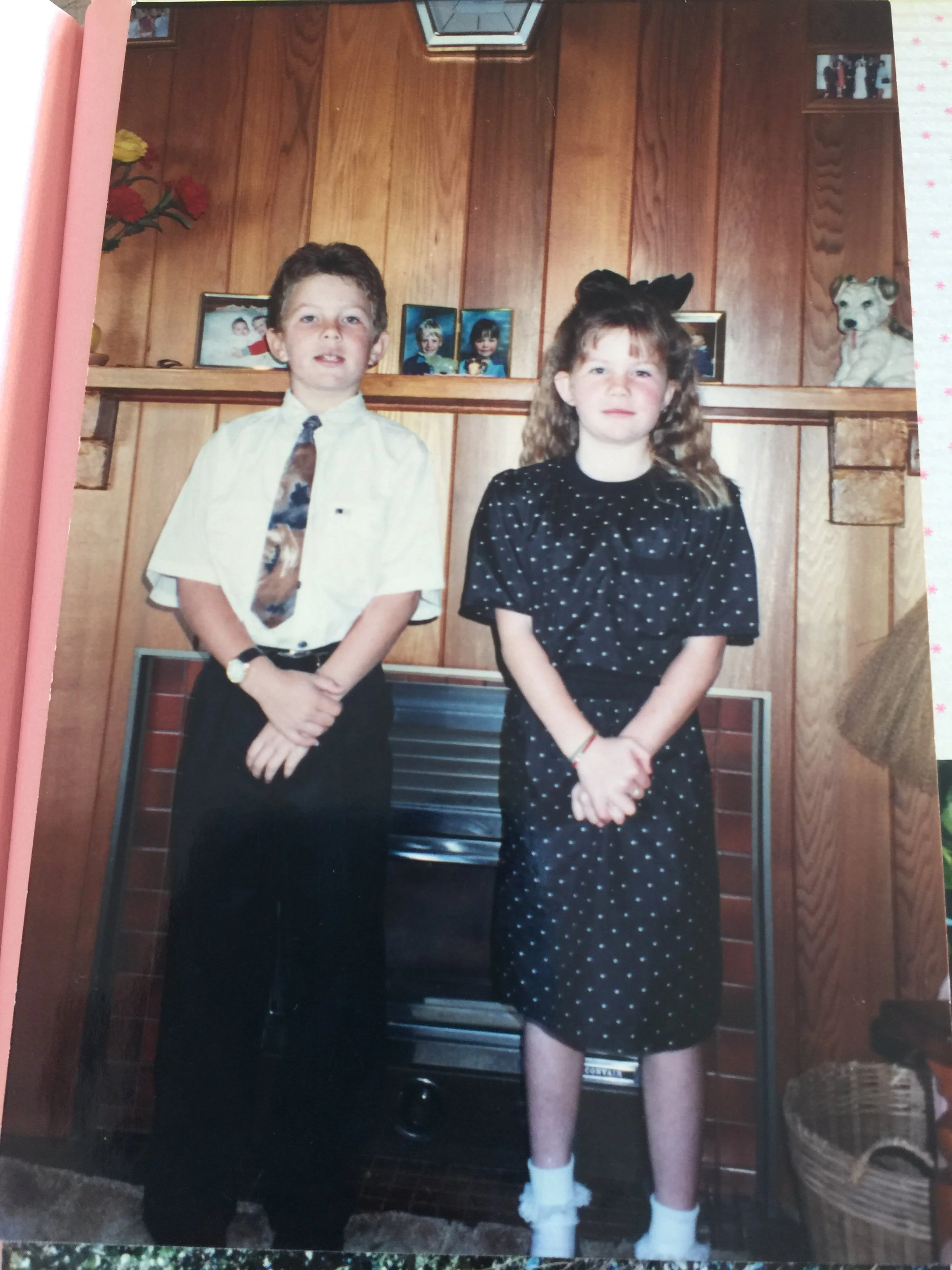
It was high control to the point that if teenagers didn't want to go to church, or wanted to leave, they had to actually leave the family home and move out. You were not allowed to leave the church. The pastor's daughter ran away at fifteen to a women’s shelter just to get away, and her parents changed the locks on the house so she couldn't come back and get her stuff. Another teenager who wanted to leave, at about fifteen or sixteen, got kicked out of home too.
They were very strict on how we dressed, how we spoke. We weren't allowed to have TVs and we weren't allowed to go to the movies. No alcohol. Everything was the devil. Yoga was the devil. Meditation was the devil. Anything and everything was the devil. We feared hell. All they talked about, all the time, was hell, and demons, and the devil. Everything was very fear-based.
There was rarely a day when we weren’t involved in the church somehow. You couldn’t even have a holiday for long, as you were only allowed to miss one Sunday service at a time.
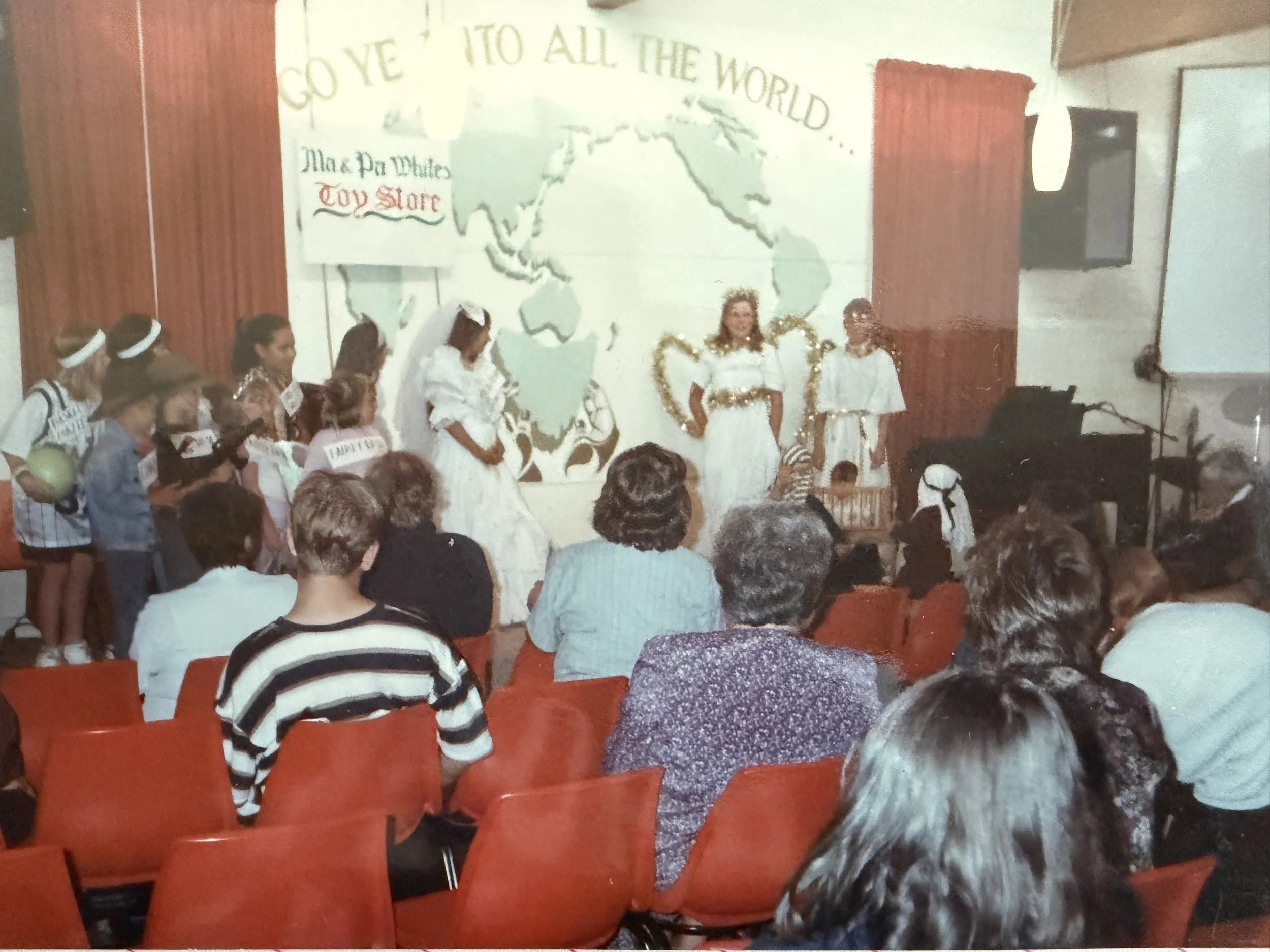
Our sole job was to try to save as many people as we could. We were taught that we were the elites of the Christian world, that all other Christian churches were lukewarm and probably going to hell, and that it was on us to save everyone.
It was a very high-control, mind-controlling, manipulative group.
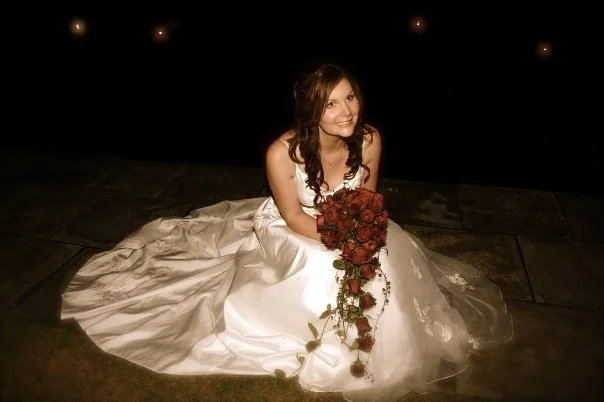
I married within the church, as a virgin, at twenty-two. We were from different states but met at a church conference. The rule was: you get married, then you move to your husband's church, still part of the same fellowship.
We spoke over the phone for a year, met twice in that year, but were never alone together. We got engaged, then married four months later. We never even kissed before marriage. We didn't really know each other at all.
Eventually, I just wanted out of the church. I didn't want to be part of it anymore, and it was starting to break down our relationship, though there was more going on than just that.
I left the church, and eventually left the marriage also. At the same time I started at the police academy.
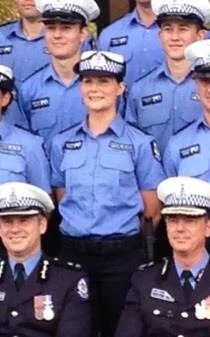
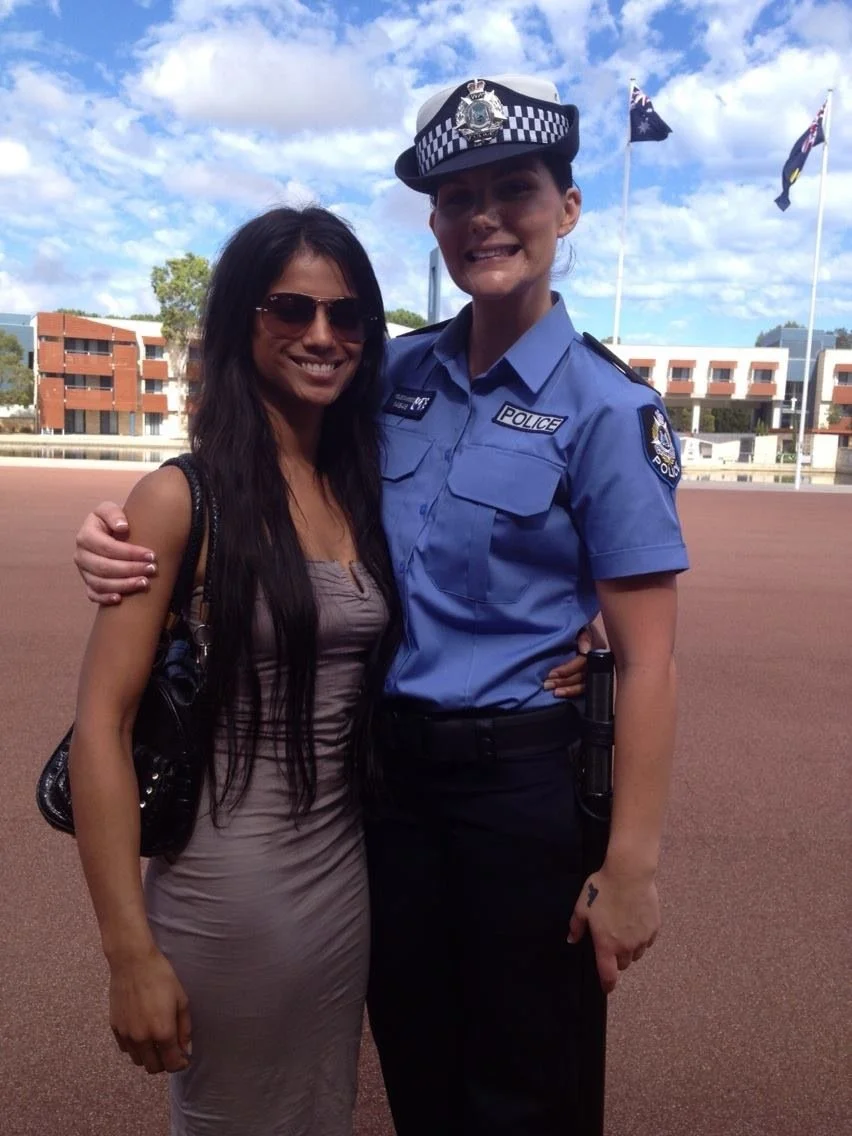
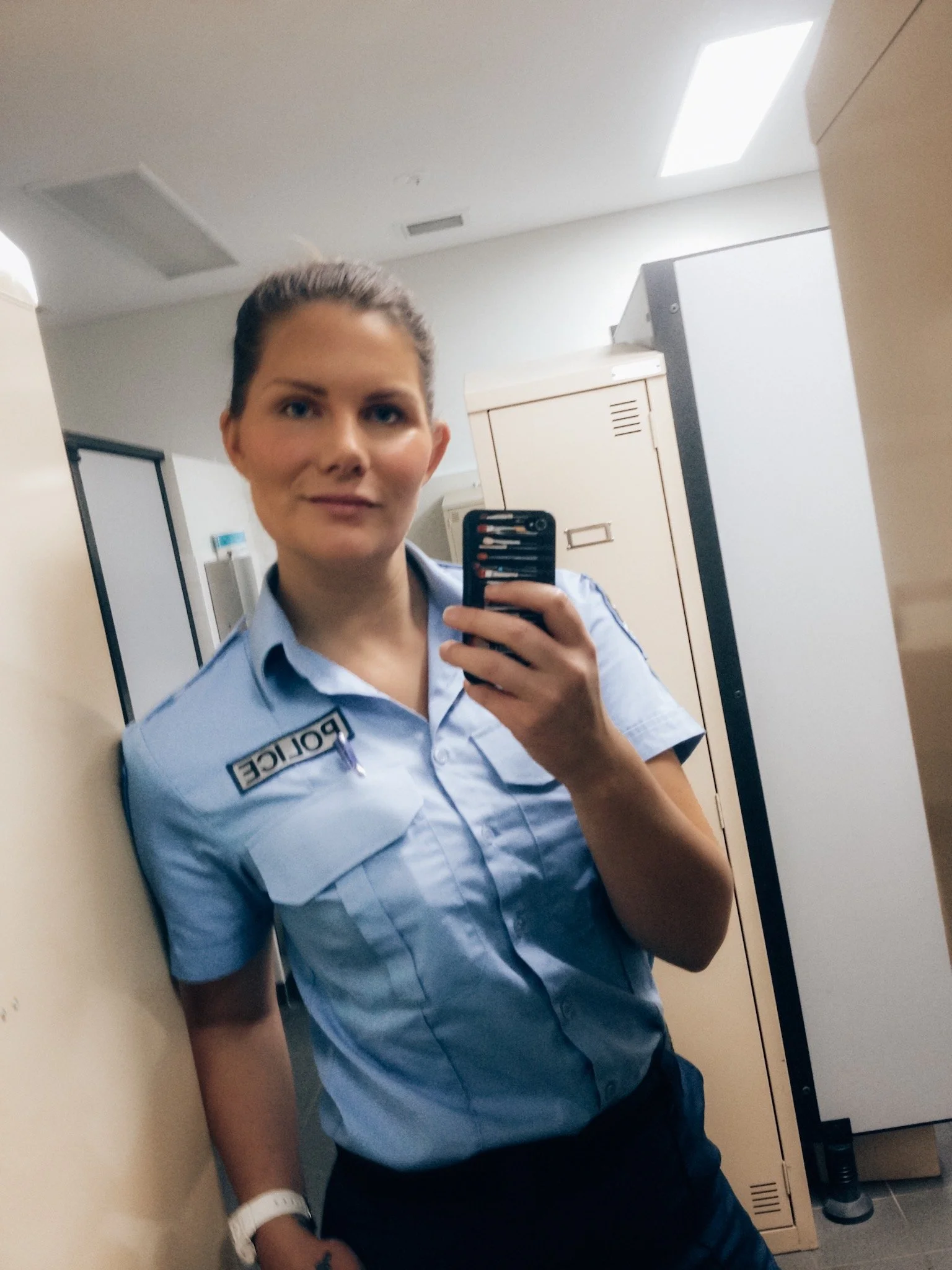
I went through hectic police training. My nervous system was fried. I was an anxious mess, nervous every single day just to do my best. I was grief-stricken, heartbroken from my first-ever love and relationship, from the person I thought I was meant to be with forever, falling apart. I wasn't leaving because I wasn't in love. I was definitely in love.
Every single one of my belief systems was shattered in a short amount of time. I had to reevaluate my entire identity, all at once, not just from the marriage ending, but from leaving a high-control religious group I'd been part of for twenty-five years. I reevaluated every single belief, every thought, every outlook, everything about who I was. I felt like a shell of myself. Outwardly confident. Inwardly a mess.
I was labelled the “shit magnet” at work, because every time someone was partnered with me, crazy jobs would come in.
In Australia, you're always paired with another officer; you never go out alone. I worked at multiple stations, starting with traffic work, then quickly transitioning into general duties policing, which meant attending every kind of job imaginable.
I've seen death. I've had people die in my arms. I've been to car accidents, bike accidents, suicides, homicides, sudden deaths, domestics, things involving children. Drug warrants. Everything.
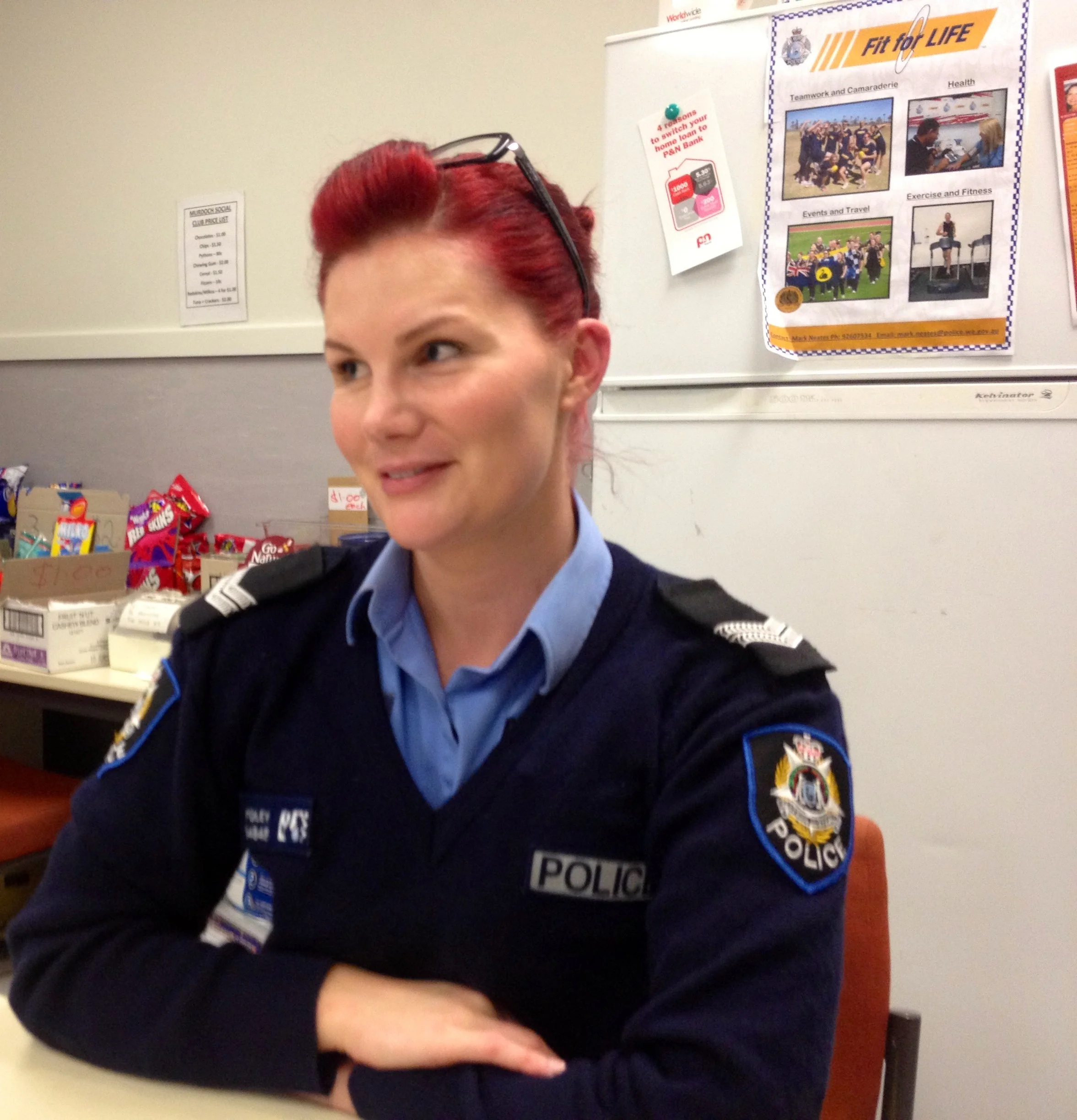
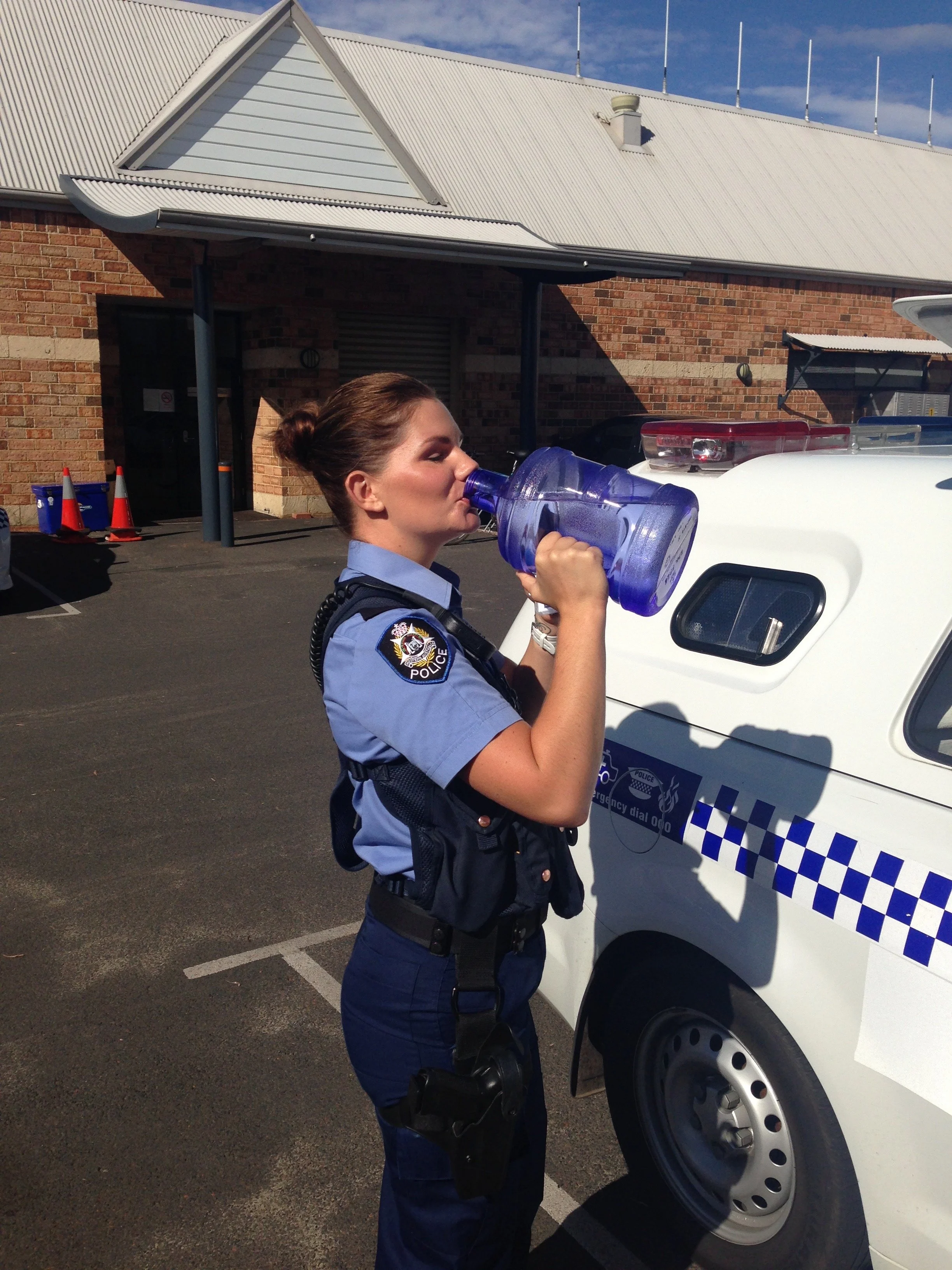
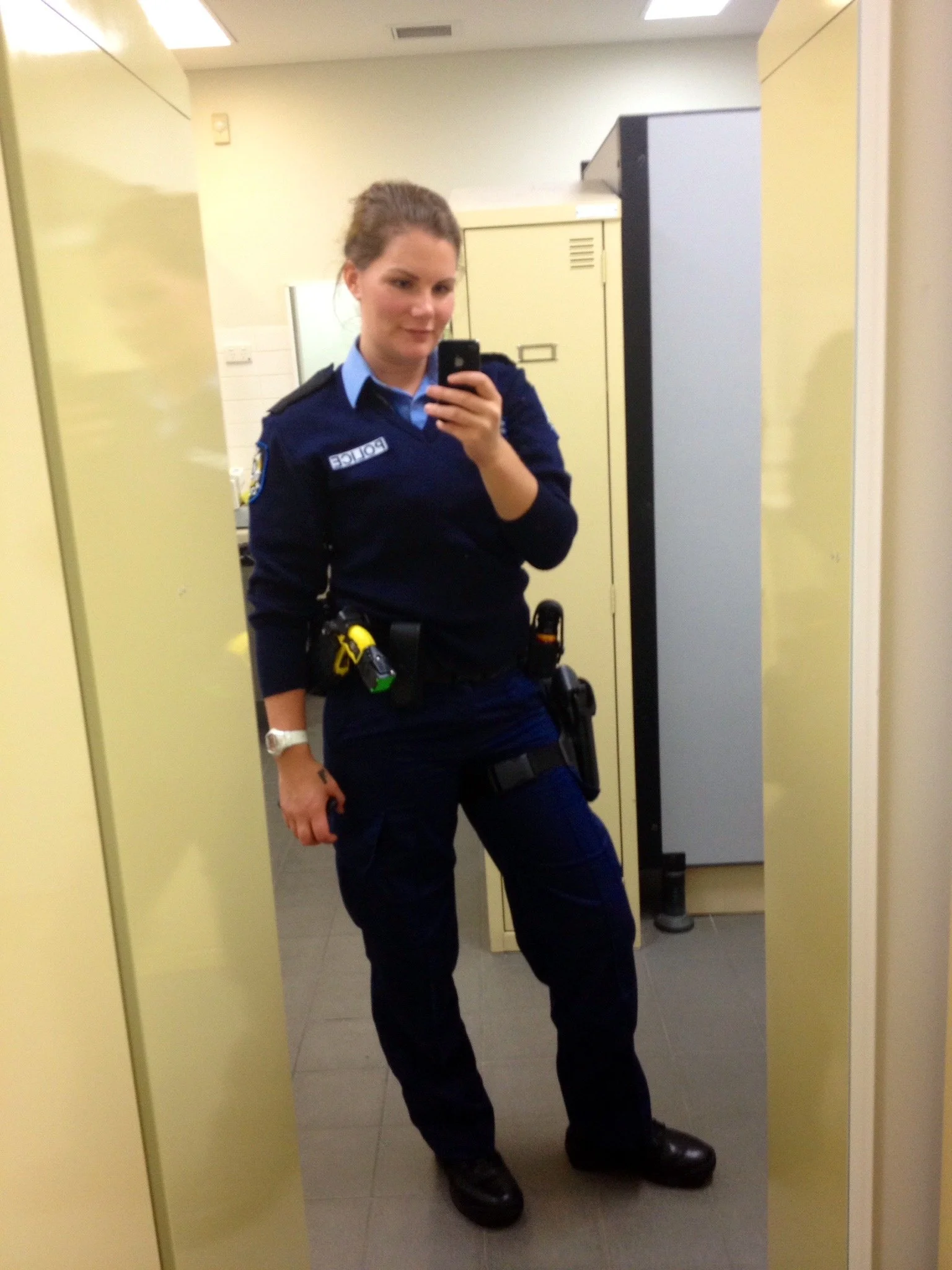
My first three days on the job as a general duties officer: on day one, a man died in my arms. On day two, there was a suicide, a male in his twenties, devastating. On day three, there was a family money dispute over the sale of a house, and as a way of taking revenge on a man’s siblings, he tried to blow the house up, and in the process he accidentally set himself on fire. I was first on scene with my partner. That was all within my first three days.
It continued from there. I helped negotiate a domestic hostage situation at a country posting, and managed to talk the man out of what could've potentially become devastating.
I was always intrigued by communication, by listening, by using words to diffuse a situation. I was intrigued by being able to read a situation and pick up on clues others were missing.
I became notorious for picking up on things that weren't obvious to others but were obvious to me. Microexpressions, mannerisms. What wasn't being said was sometimes louder to me than what was.
I was really good at finding drugs in places based on nothing more than a look, or a twitch, or a mannerism. I was great at asking questions that got better answers, at going deeper than surface level. I loved the idea of what's on the surface and what's actually underneath; it served me well when running drug warrants.
That's where my intuition reignited. It had been so strong as a young girl, but in my early adult years it got squashed by the high-control group. Then it came back full force as a cop.
I also trained in forensics. Not as a forensic investigator, but I did extra training to do blood swabs, fingerprinting, and crime scene analysis. Again: what's here, but what's actually underneath. I loved my police career. I didn't want to do it forever, but I loved it.
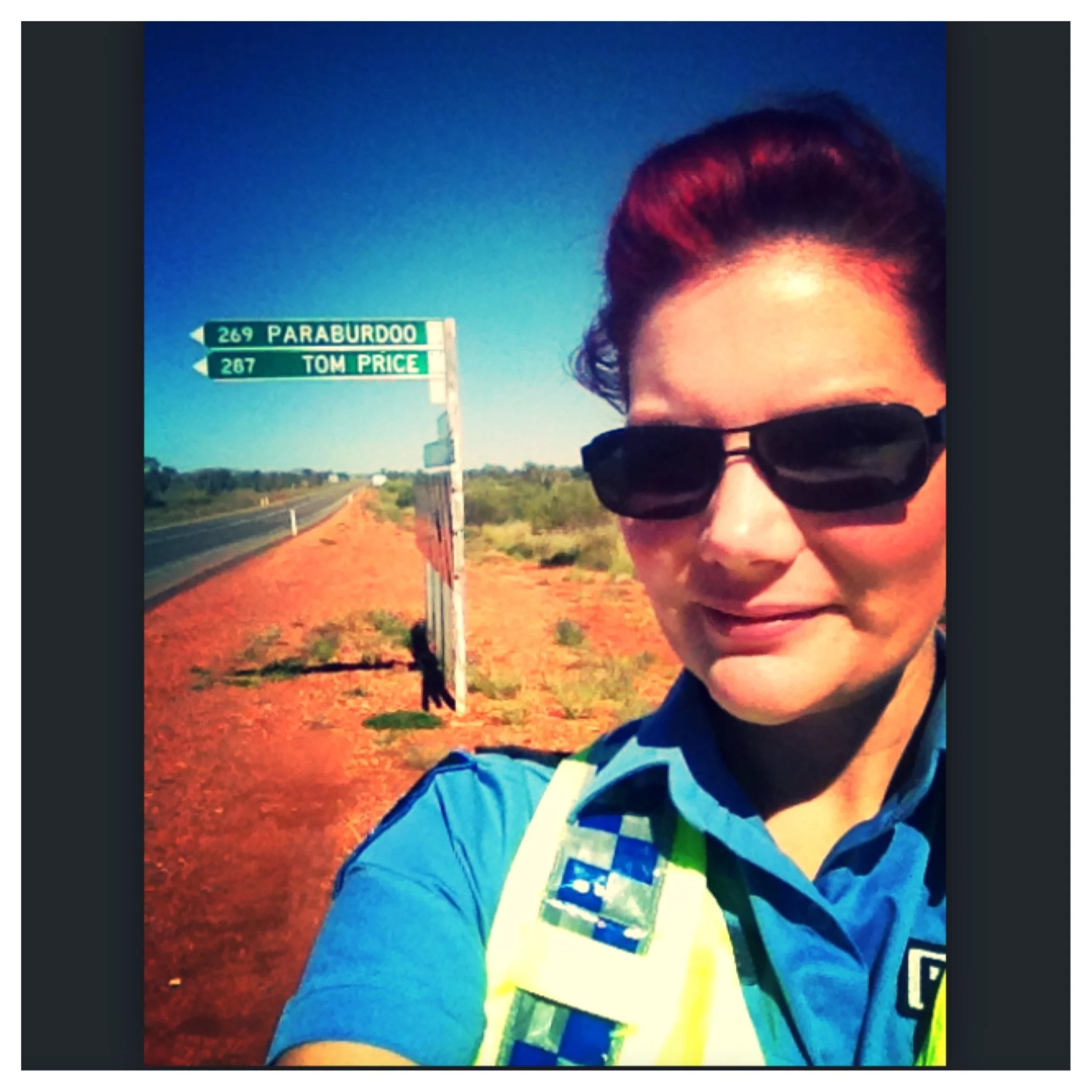
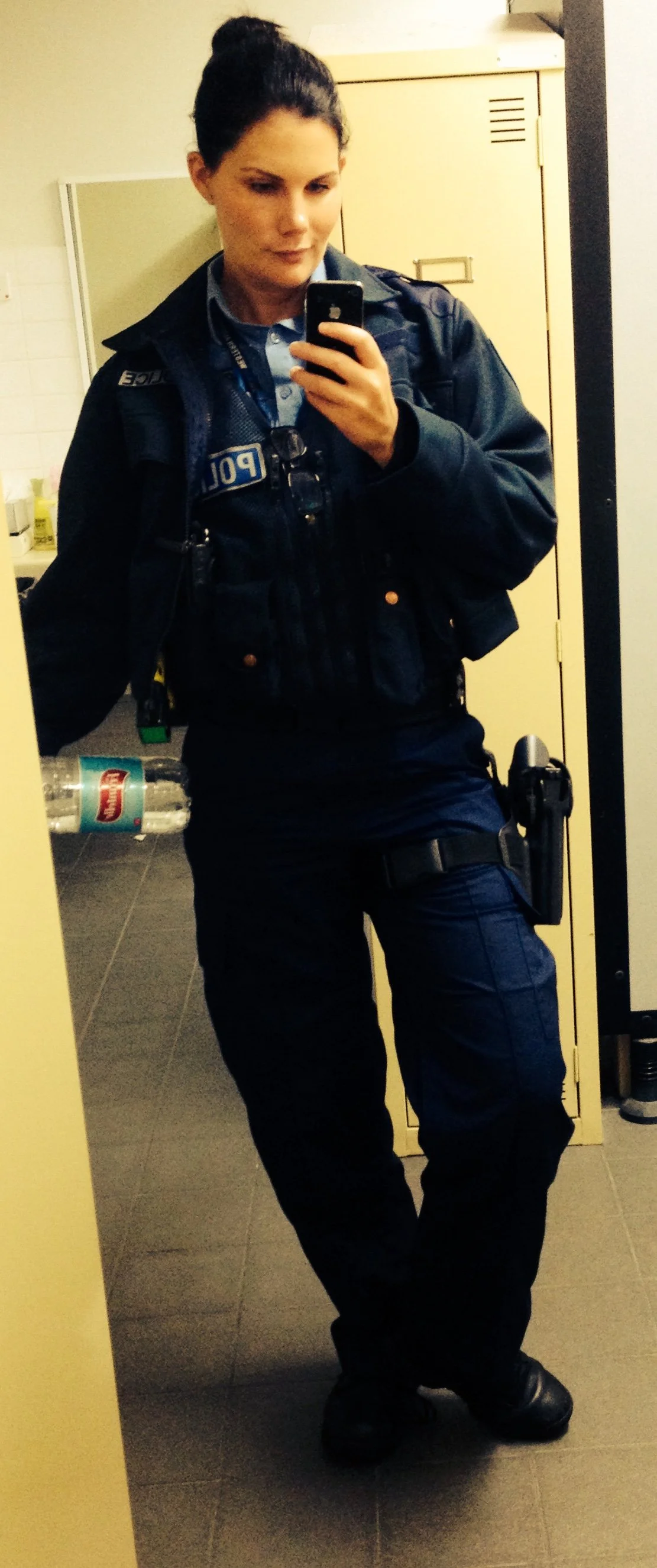
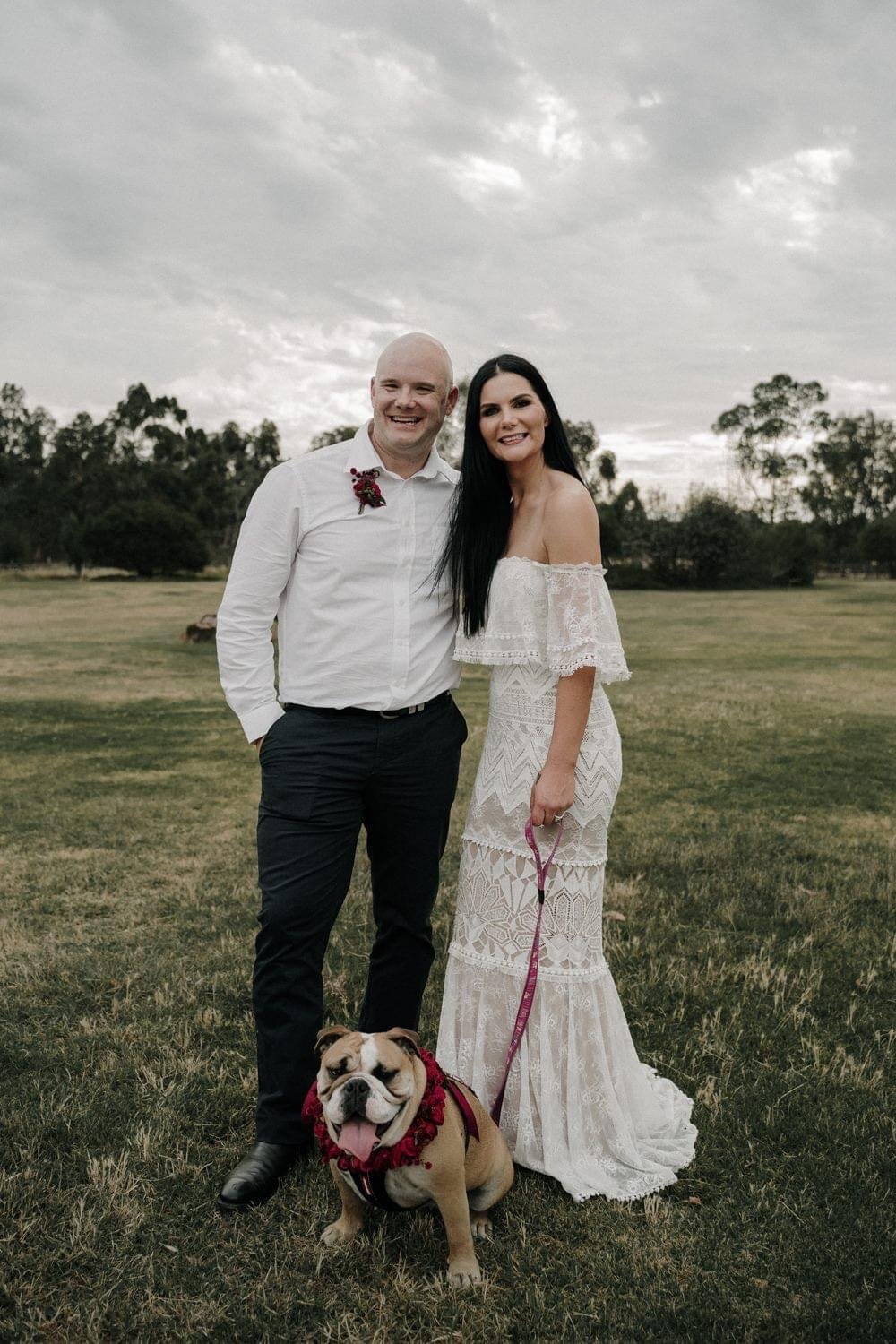
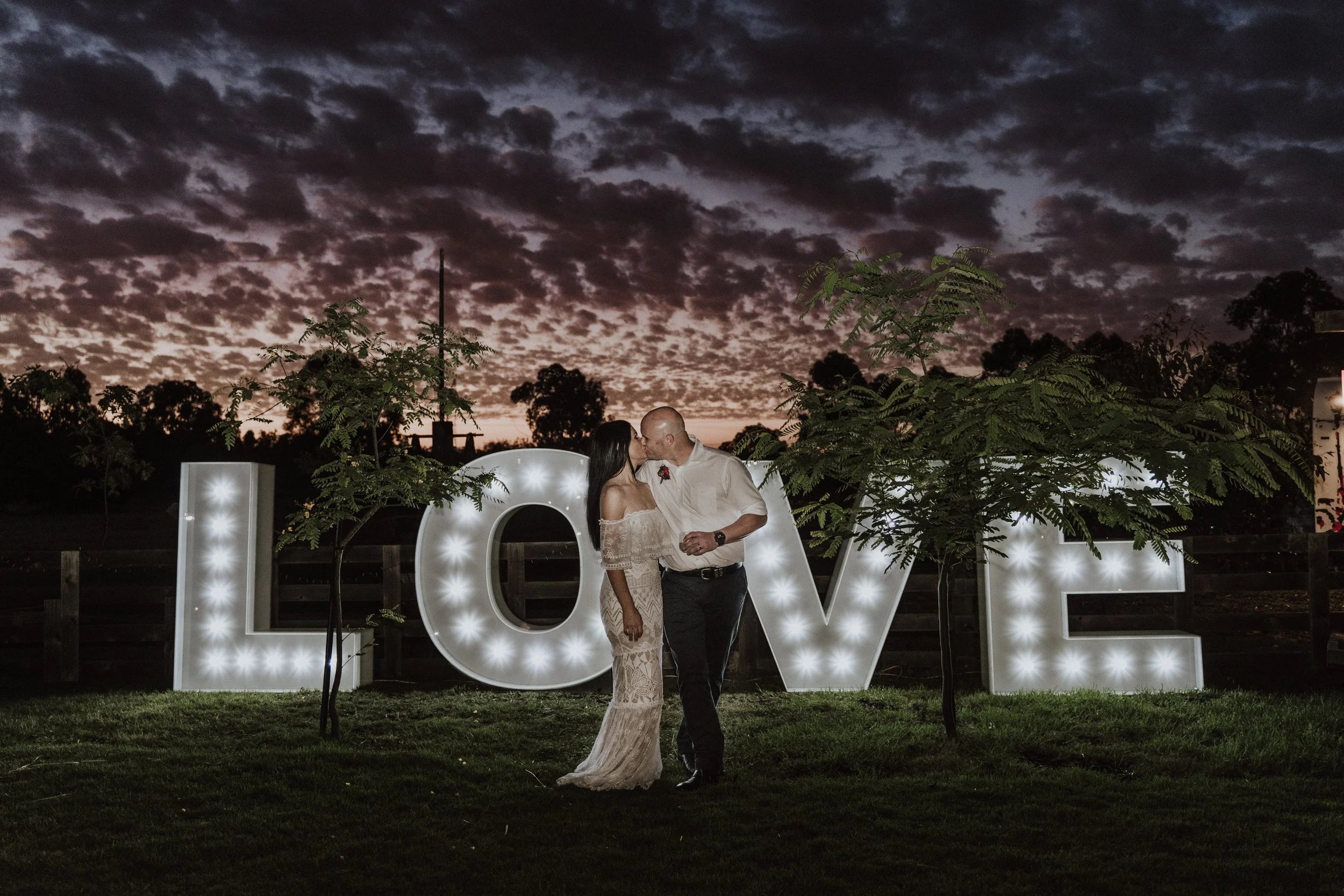
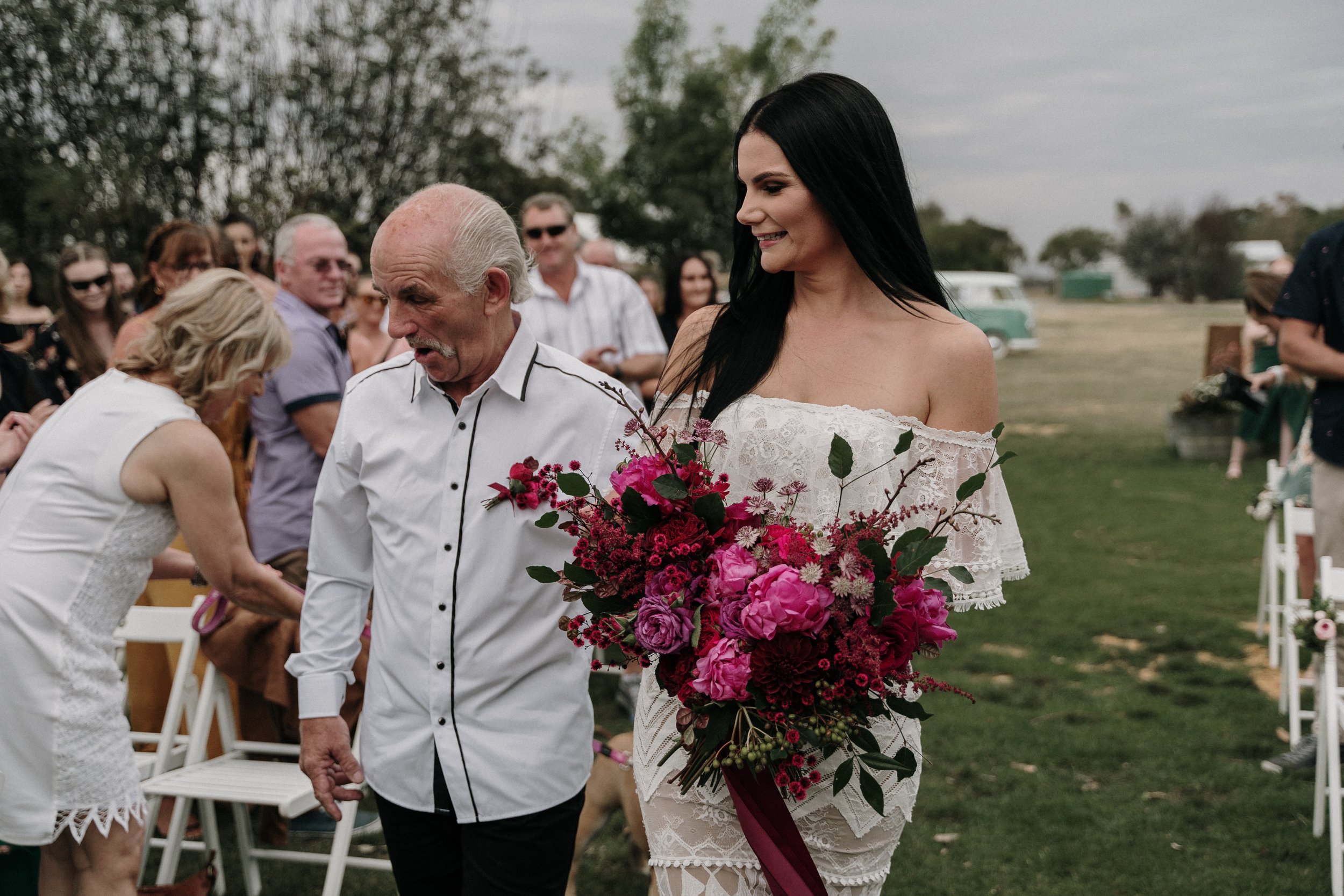
Before I left policing, I fell in love with my now-husband Adam, who wasn't a cop (everyone always asks if we met cause I arrested him-LOL-no, not a chance; I never met him through policing). We've been together for twelve years. We got married in 2018 and moved to Canada for his career. I moved knowing nobody there.
That was where I really went through a dark night of the soul. It was the first time in my life I was truly by myself. I was isolated. No family, no friends nearby. My husband travelled a lot for work. It was me and our dog, our British Bulldog, together a lot on our own.
It was really good for me. A very healing time. I went through all of my belief systems again, and my entire identity again. It felt like I was flying and falling at the same time. Cathartic and devastating. Brutal. Diabolical at times. But awesome.
AT 16, BEFORE ANY OF THIS…
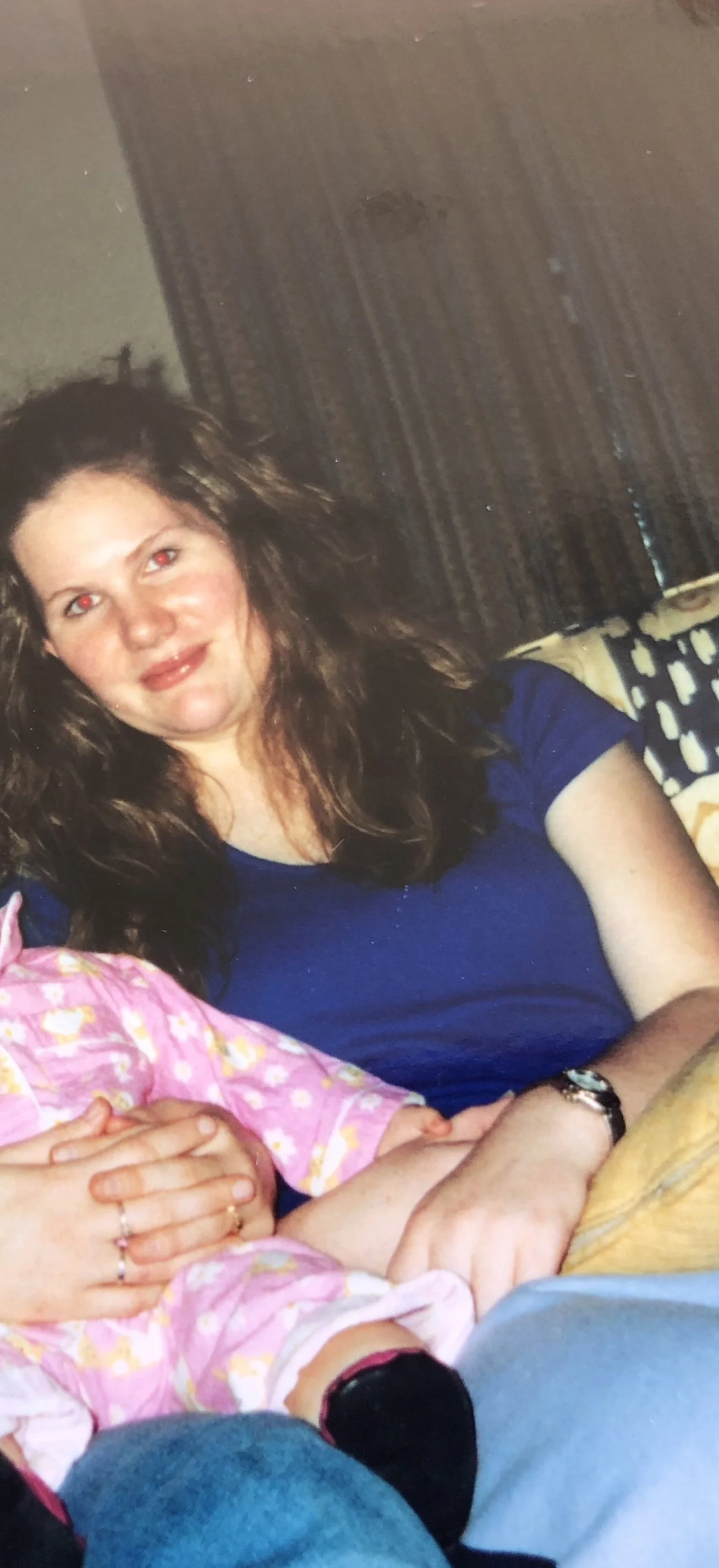
I was diagnosed with polycystic ovarian syndrome (PCOS). I was struggling to get a regular period, and out of nowhere I put on weight very easily.
I was told I might not be able to have children, that it would likely be really hard, that I would highly likely become obese, and could end up with diabetes, since I was apparently insulin resistant. I refused to accept that, even though I didn't know how to heal it, and I didn't know where to start.
I was put on the contraceptive pill purely to try to “regulate” my period, and on metformin, a diabetes drug, at sixteen years old. I took the metformin for two weeks, then threw the rest away. I just refused.
I will get back to this part of the story soon...
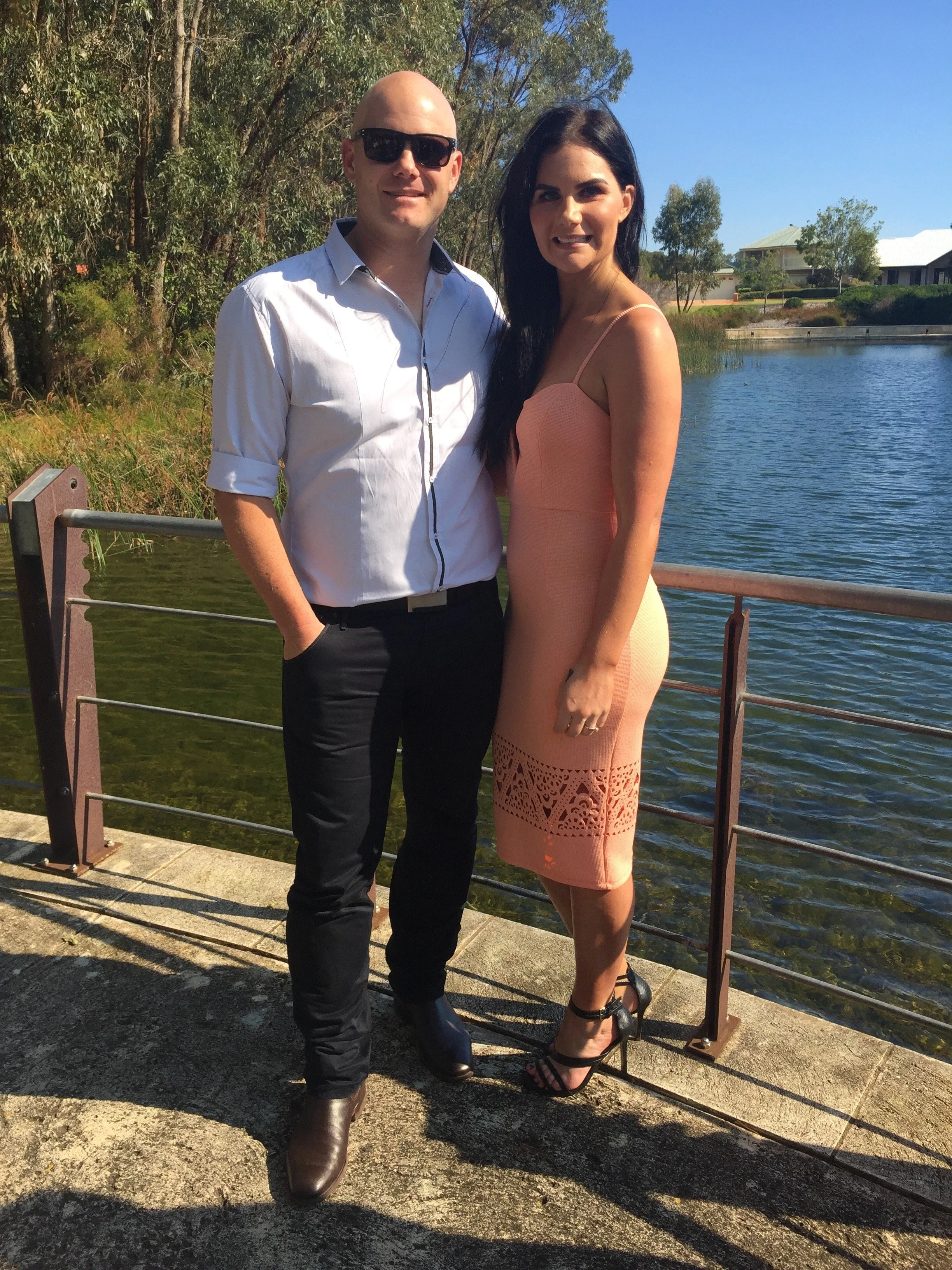
We moved back to Australia after Canada. In the ways I was healing, I wanted to also help others too, but in hindsight I had more healing to do first.
Things really came to the surface. Relationship patterns I hadn't healed. It was like my nervous system was still living in my first relationship, even though I was now with a completely different man.
My first husband and I didn't really know each other when we married. There was a lot that came up in that marriage: not great ways of communicating, patterns being replayed.
That same thing was playing out now, in my relationship with Adam. I was replaying pain from my first relationship, and I believe Adam was replaying pain from his past relationships too. We weren't really in relationship with each other. We were in relationship with our past pain, and what our bodies and shadows were still holding onto.
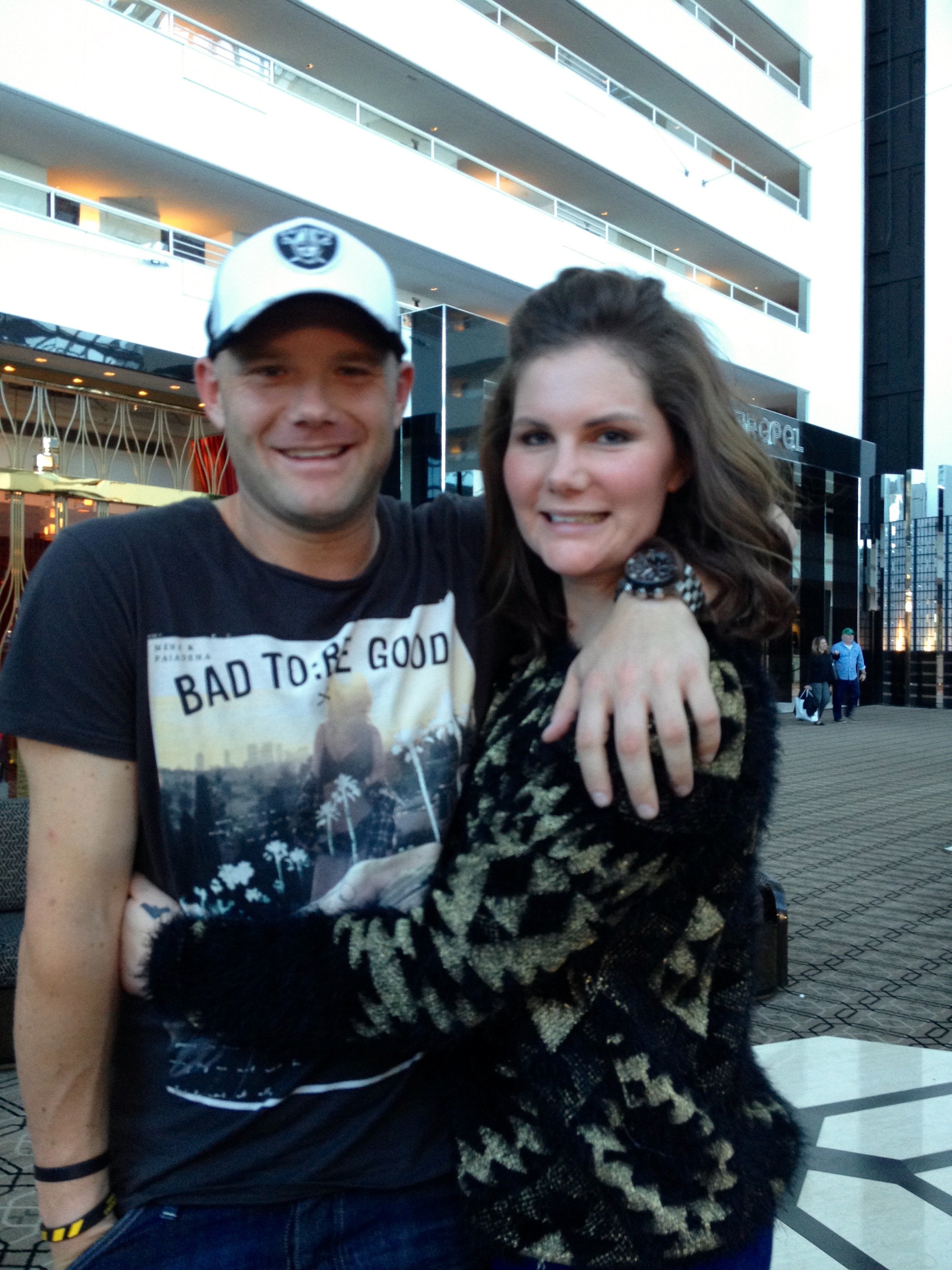
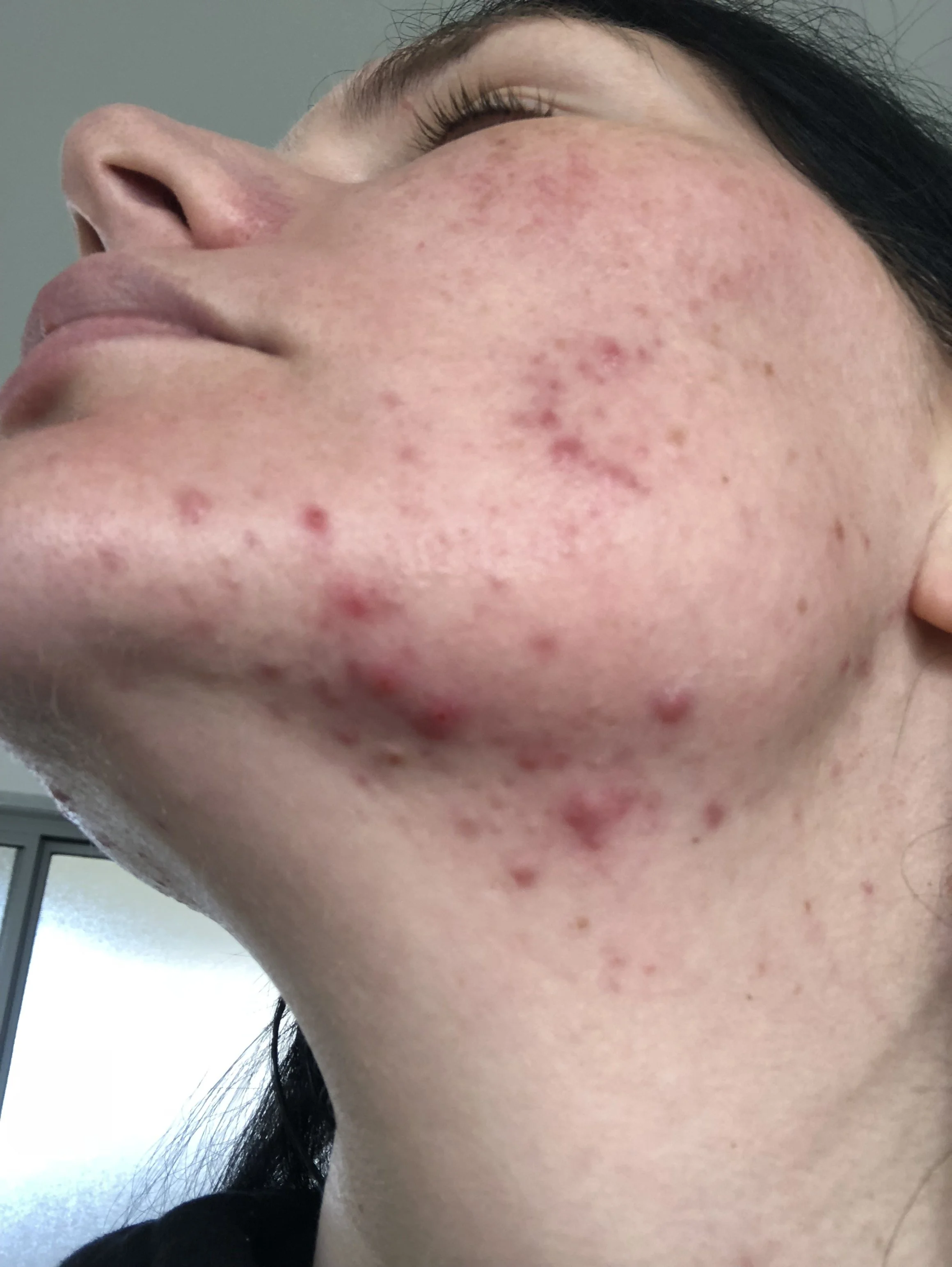
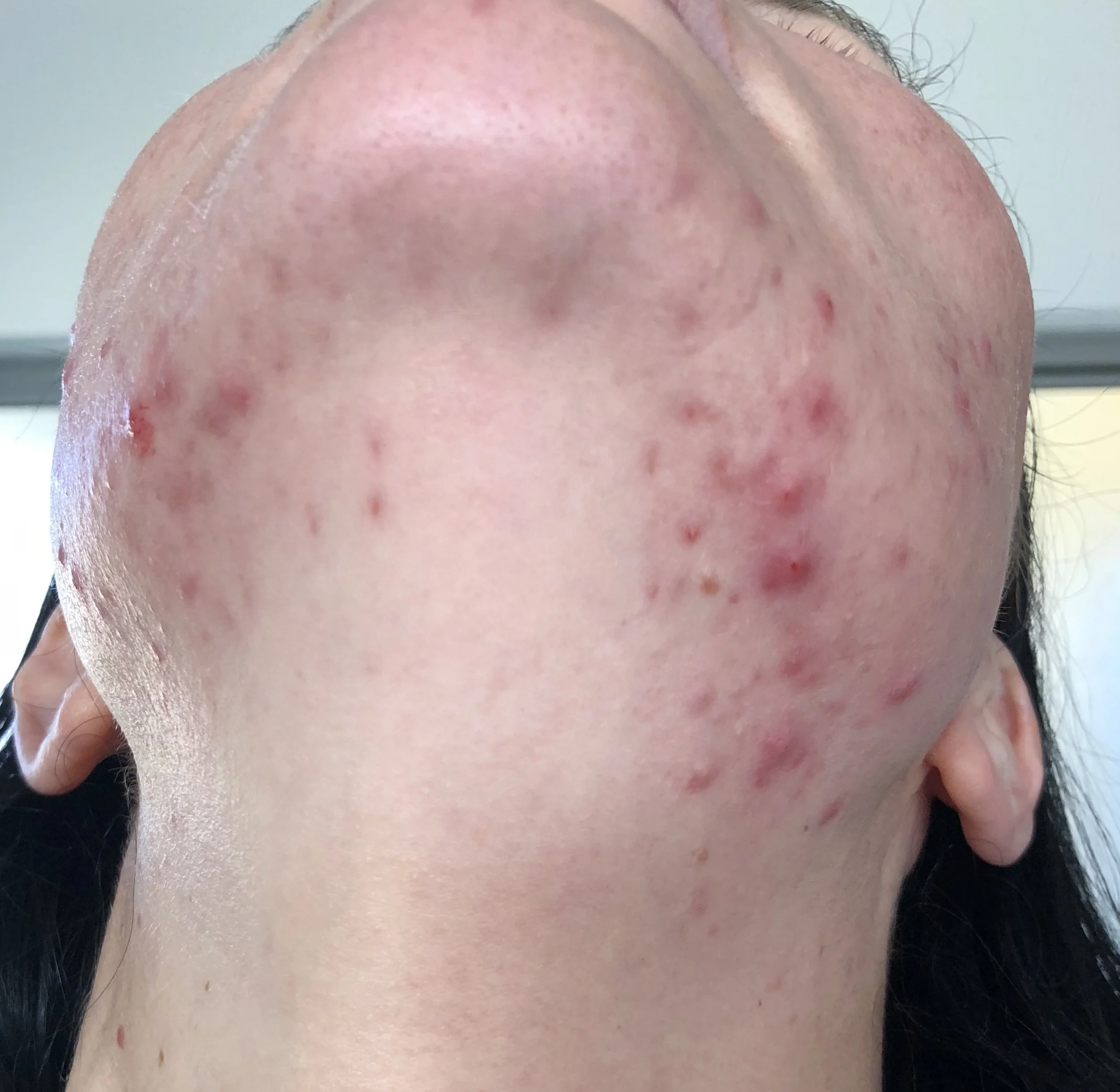
My health needed addressing too. I didn't know how to come off the pill. I was scared to, because every time I'd tried before, I'd only last about three months before my body would go through crazy skin issues, covered in acne, my weight fluctuating. I felt out of control.
I wasn't great with money either. I could attract it easily, but I couldn't hold it. It would come in and go straight back out, like a hot potato. I didn't feel confident with it. I felt shame around it.
This wasn't an overnight thing. Over years, things started to surface naturally. I wasn't going looking for them; they were smack bang in front of my face through moving through life. and through relating with other humans.
In 2023, Adam and I separated for nearly two years. We'd gotten to the point where we didn't know how to communicate anymore, and there was so much built-up resentment.
In that time, I naturally found nervous system work, which has evolved into what I do today.
I trained in different modalities because I was seeking answers for myself first. I trained in energy medicine and nervous system work, and I became radically self-responsible.
I looked at parts of myself I didn't want to look at, the parts I felt shame around, the parts I wanted to hide, fix, or soften, and let them become the marrow of my own magic.
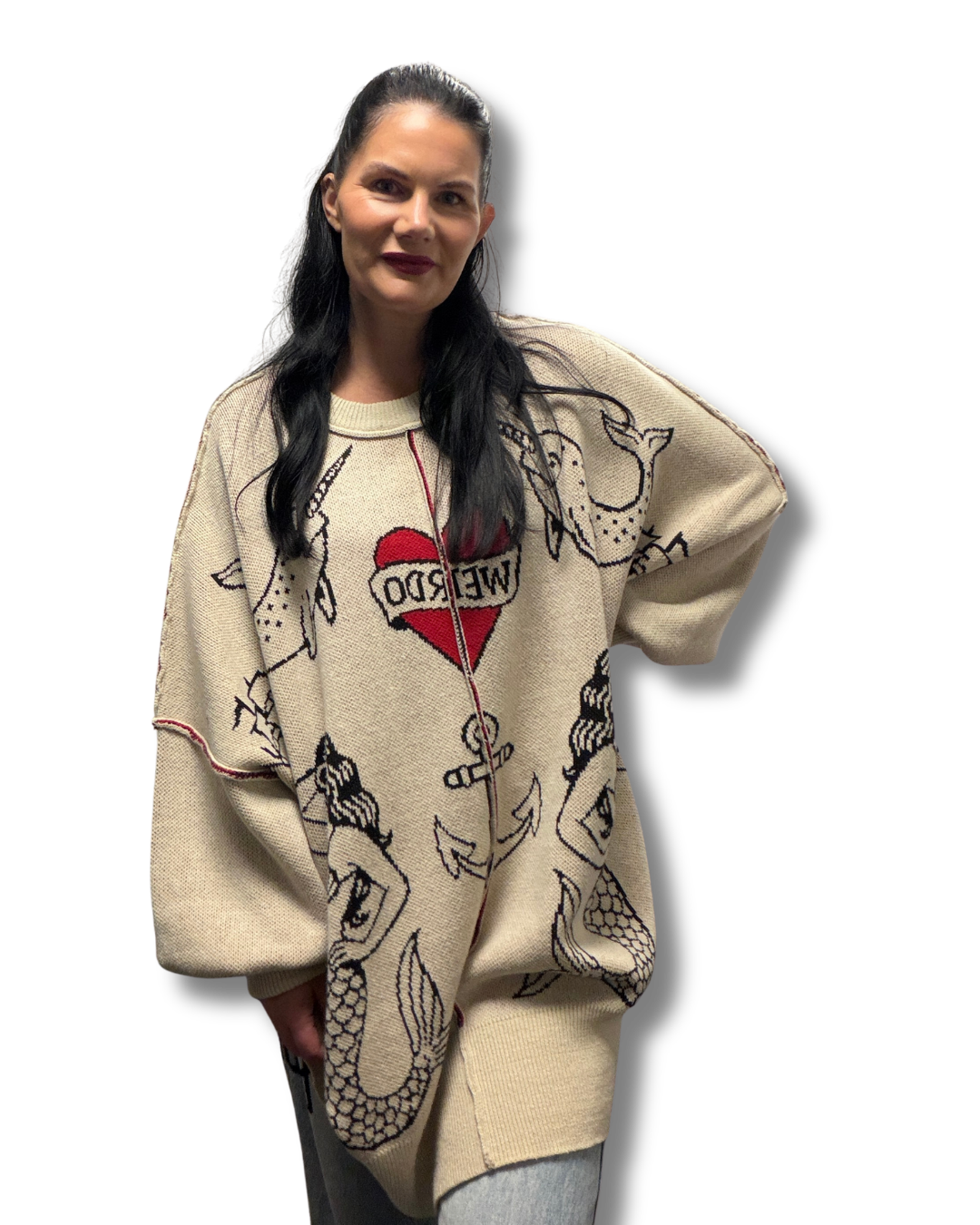
I WANTED
TO HEAL
Looking back, I wasn't interested in becoming a nervous system practitioner. I was just deeply unconvinced by the answers everyone else seemed happy to accept.
Everything started changing when I stopped asking, “How do I get rid of this?” and became far more interested in a different question altogether:
Why does my body still believe this is necessary?
That question quietly changed the direction of my life.
I never set out to work with nervous systems. I wasn’t looking for a career in this field. I was trying to understand why someone could build a life they genuinely loved, while their body continued responding to a version of life that had already ended.
The deeper I followed that question, the more this work found me.
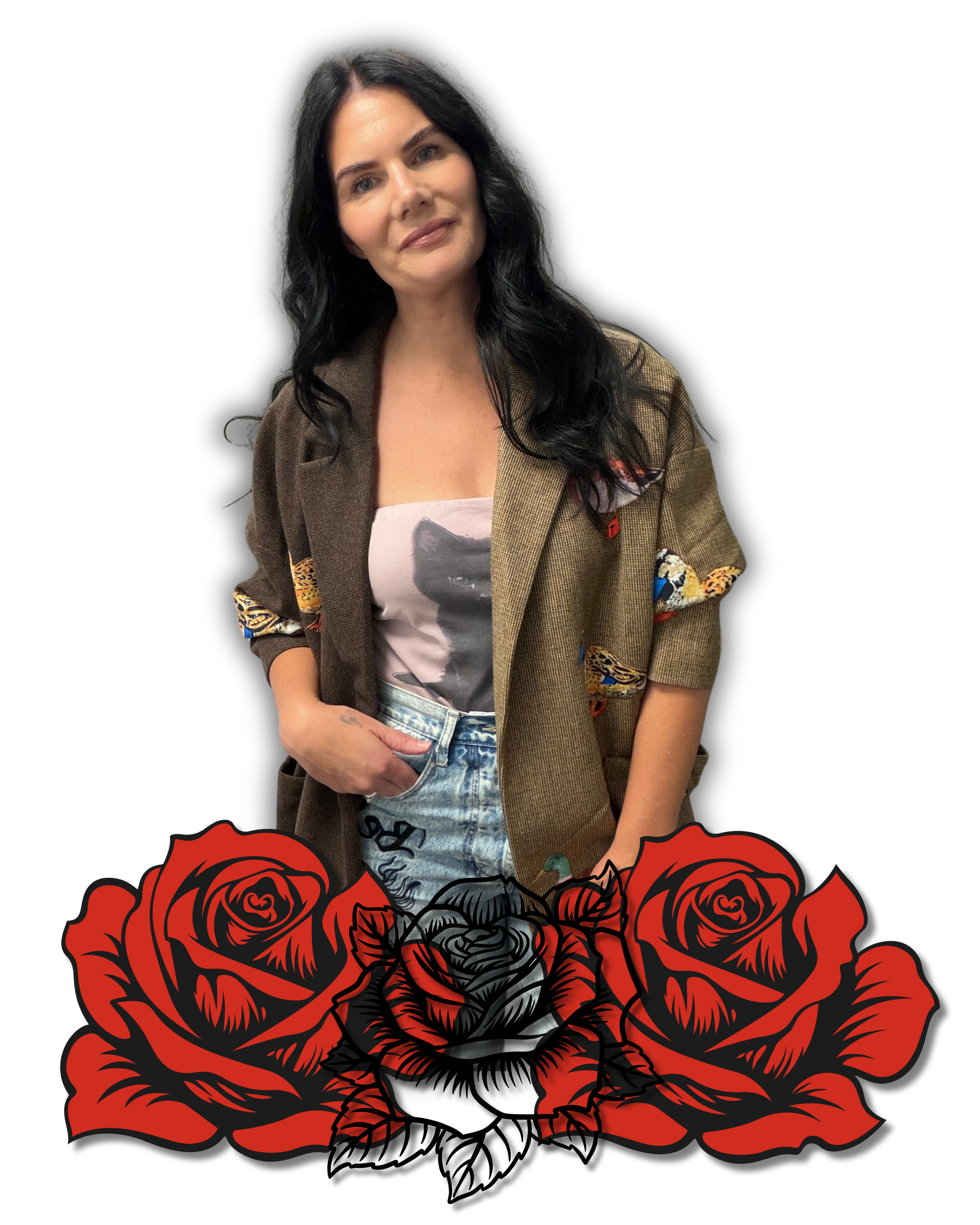
The current iteration of my business evolved into what it is today because I wanted to heal and become the most audacious, free, wealthy, bold version of myself.
And I did.
I have no symptoms of PCOS (literally no cysts on my ovaries after always having what looked like bunches of small grapes on ultrasounds, and I haven’t touched the pill since 2017. My bloodwork is also perfect). I'm fit and healthy. I don't take a single drug. Health is my highest value. My marriage is stronger than ever, fourteen years together, and we still have the hard conversations but with so much love. I hold multiple six figures in investments without freaking out. My business has boomed.
I became a mother naturally, another defiance of what I was told at sixteen.
Then, in 2025, my mum was diagnosed with motor neurone disease, or ALS as it’s commonly known in the States.
Watching someone I love slowly lose the conversation between her nervous system and her muscles made the connection with my work even deeper.
It made me even less interested in helping someone feel better for an hour, and even more committed to understanding what genuinely changes the way a person's body organises itself over time. What actually allows someone to participate more fully in their life, not just leave a session feeling different?
It's why I continue studying. It's why I keep questioning my own assumptions. And it's why I'm still far more interested in what your body consistently reveals than in forcing it to fit someone else's explanation.
All of this came from lived experience. I sought the answers for myself first. Then it became seeking them for others too.
Nobody handed me this life. I refused what I was given about it, one verdict at a time, until I built something true instead.
Now I find that same refusal in everyone I work with.
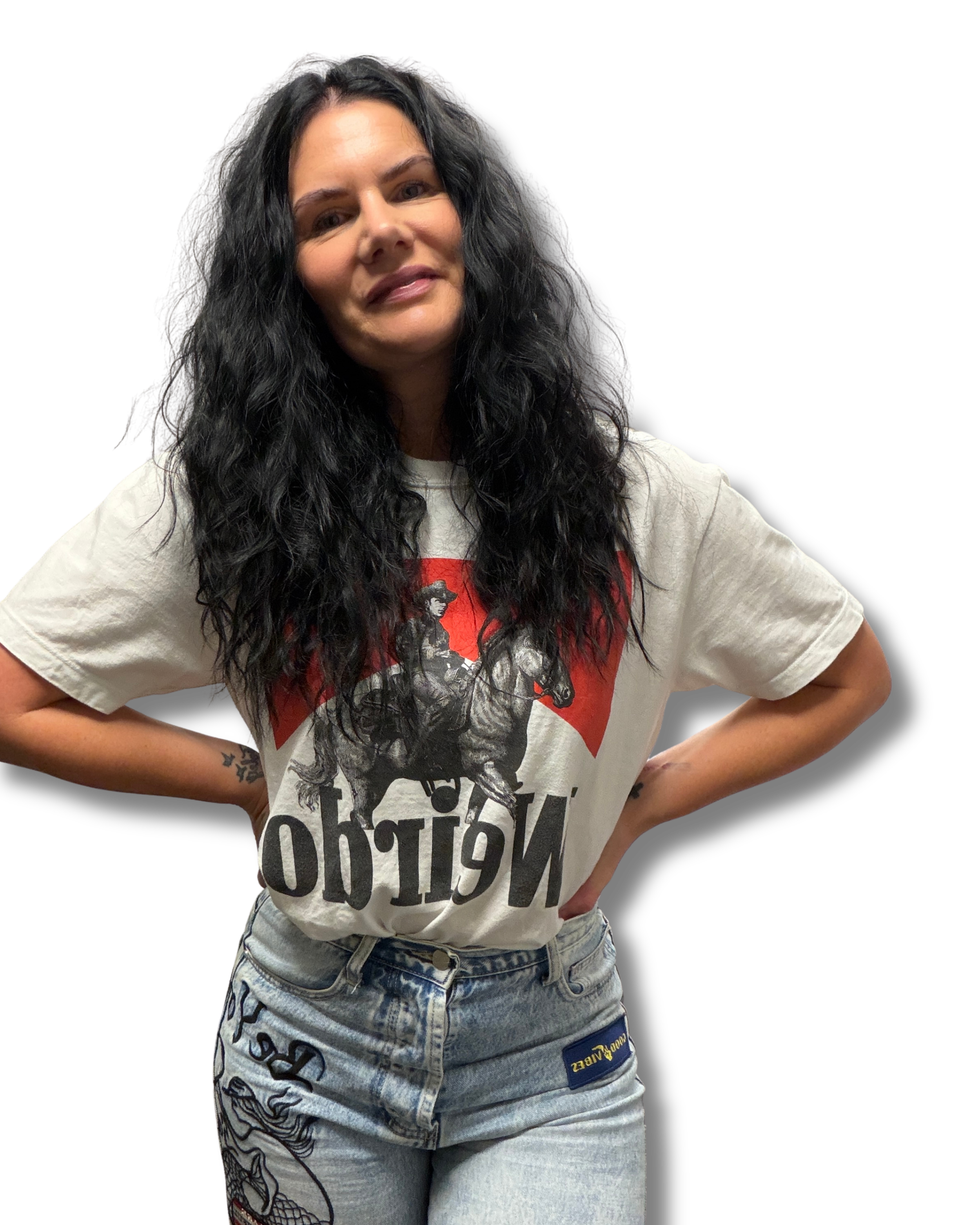
WHY BODYINTEL
EXISTS
As I began working with more women, I noticed something I couldn't ignore. They arrived with different diagnoses, different histories and completely different reasons for booking, yet their bodies often kept pointing towards remarkably similar protective strategies.
The more I observed, the less interested I became in looking through the lens of a single modality. Most practitioners become highly skilled at applying one framework. I've always been more interested in finding out where the framework stops explaining what's in front of me.
I became obsessed with understanding what real bodies kept revealing regardless of the framework being used. I wasn't collecting modalities. I was collecting evidence.
That became BodyIntel™. A way of seeing what your body's still organised around, and where your life may still be asking it to carry the same job.
And let's be honest, I have a habit of asking the question everyone else quietly hoped nobody would ask. My husband would tell you I have an unfortunate inability to let things go until they make sense. He's probably right.
THE TRAINING BEHIND THE INSTINCT
Diploma in Policing. Certified in Trauma Informed Coaching and Human Design.
Certified in Root Cause Therapy.
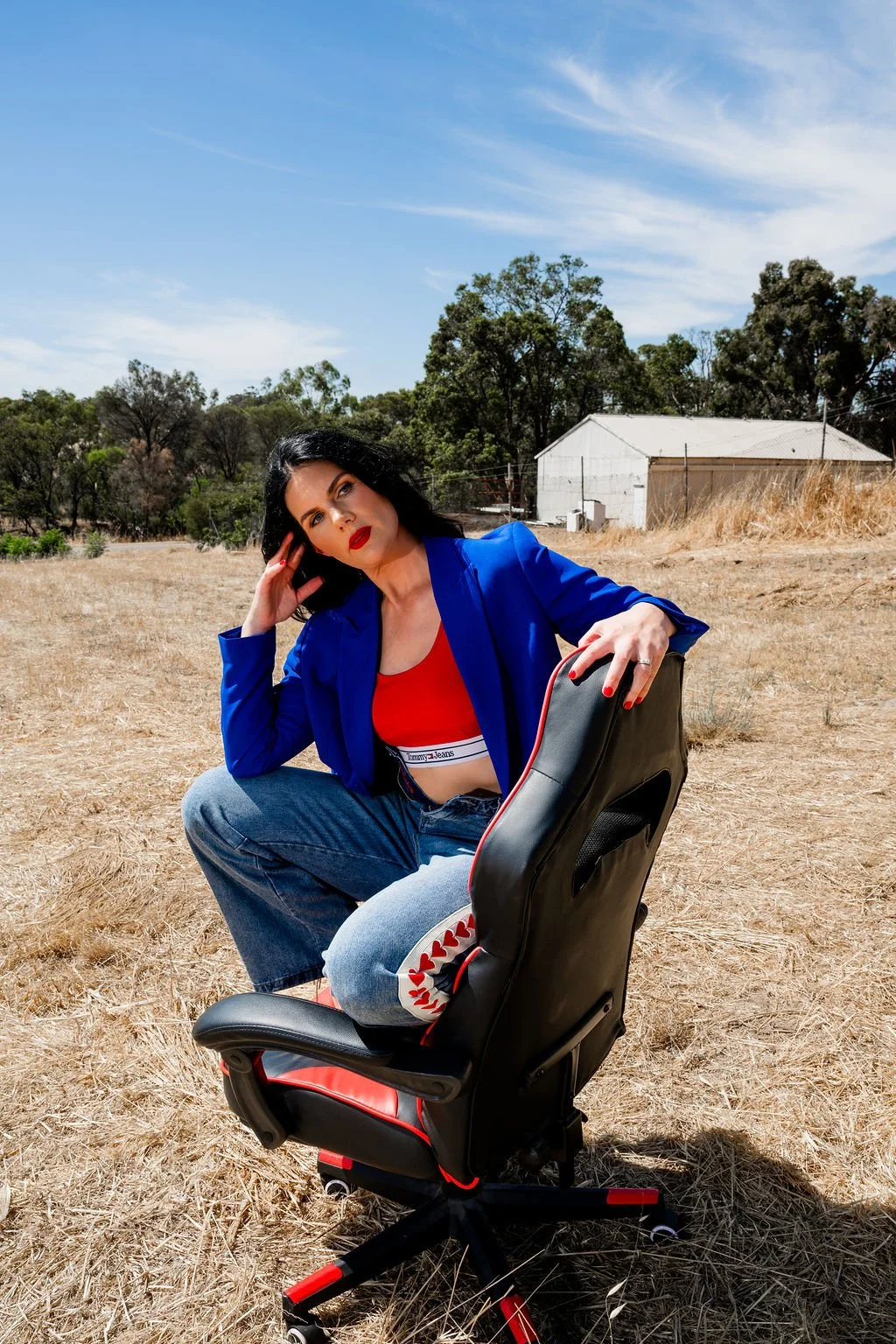
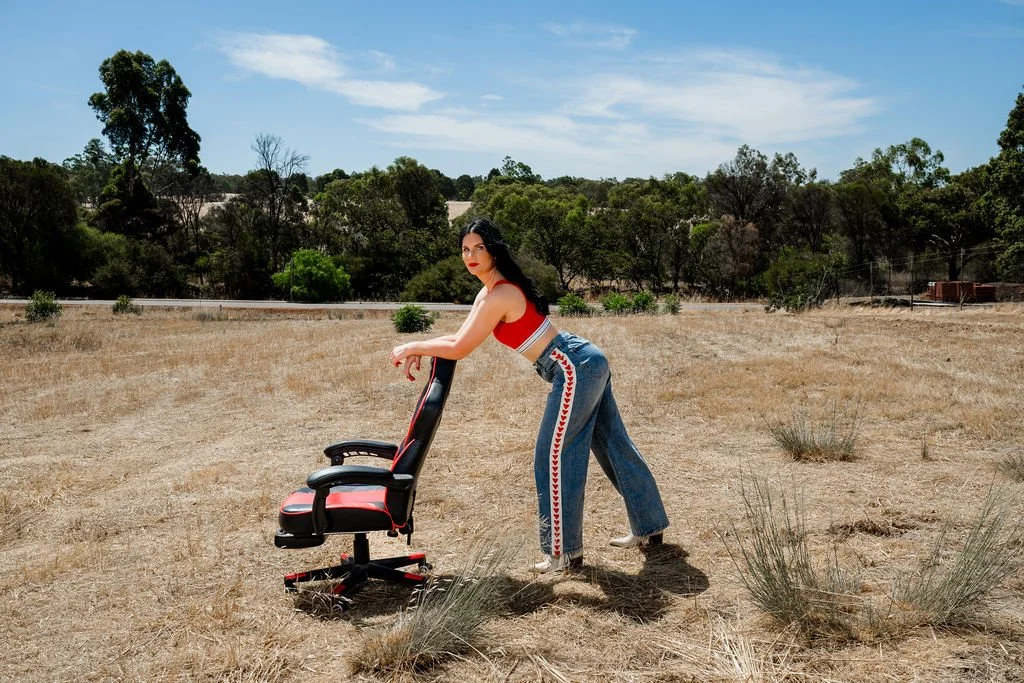
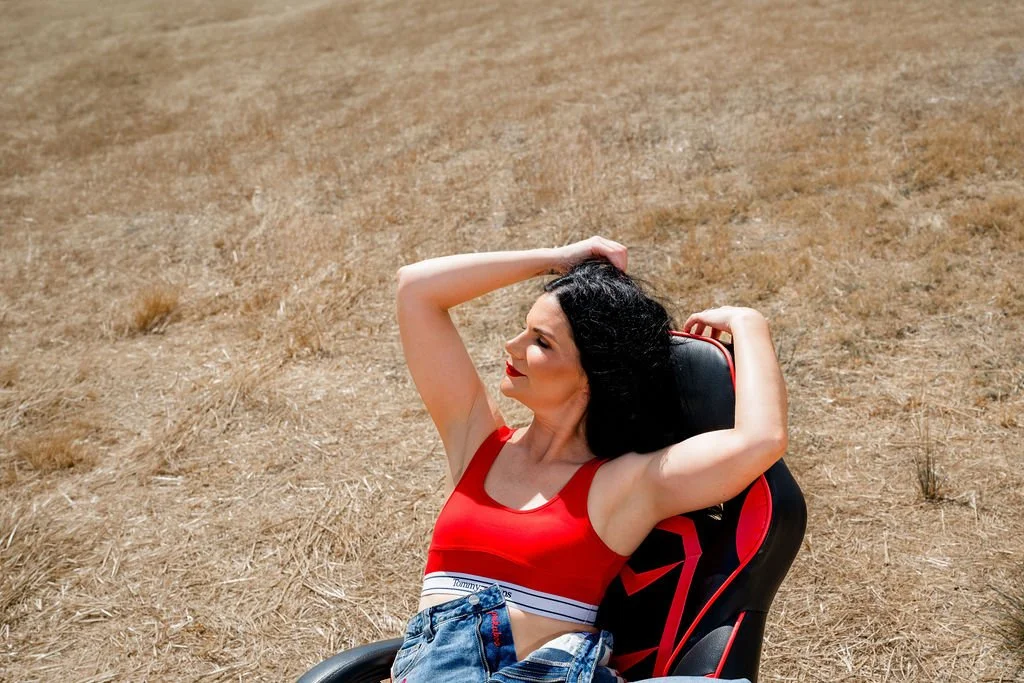
Certified in Spinal Energetics in Melbourne, Australia. Currently undertaking an 18-month Integral Energetics mentorship in London, United Kingdom.
Certified as an Energy Medicine Practitioner in Advanced Level 2 Training, rooted in Shamanic principles (a year-long mentorship).
TWO WAYS IN
There’s two ways into my work.
One begins with your body.
The other begins with the life your body has quietly organised itself around.
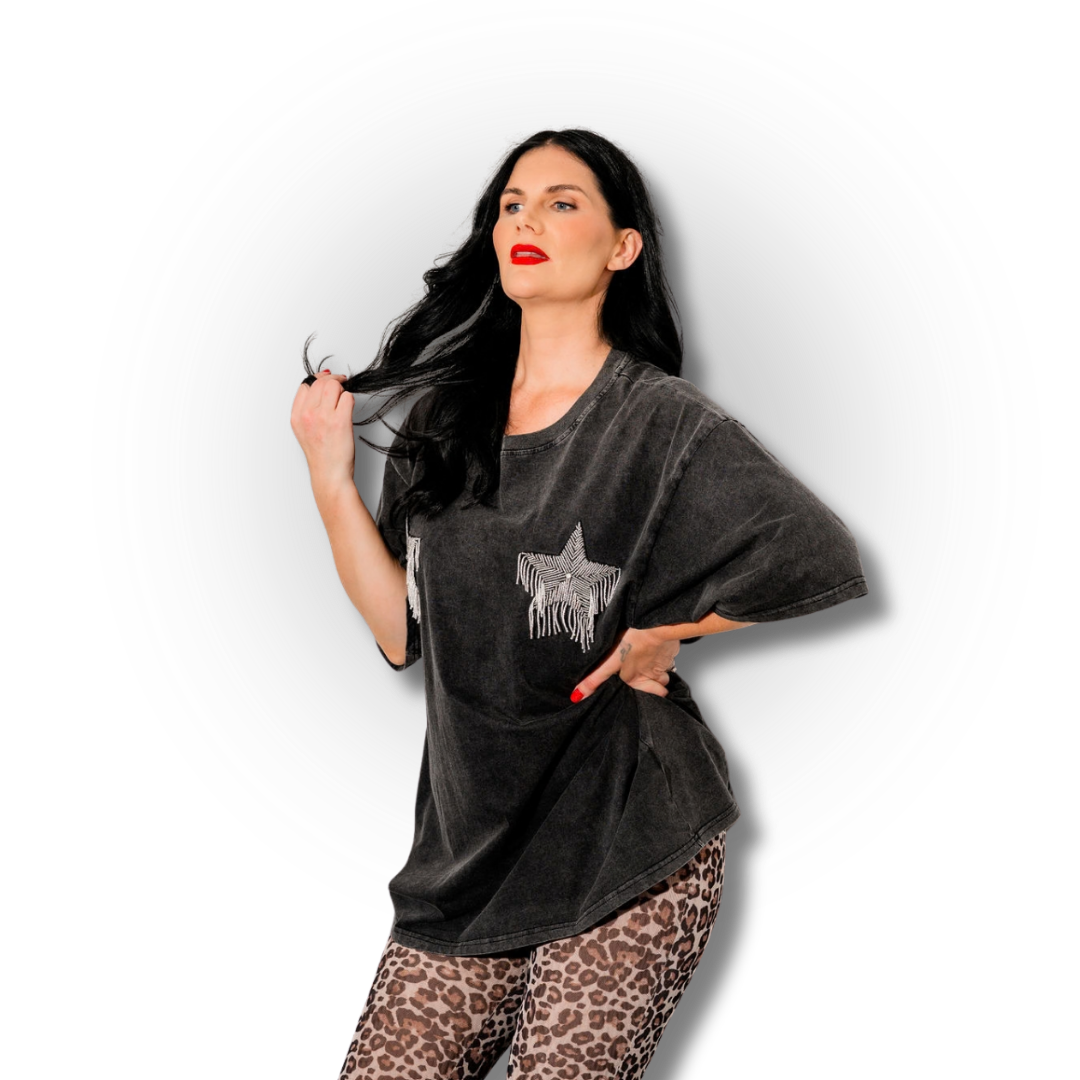
Your Body Speaks™
→ Your mind moved on. Your body didn’t.™
If your body still feels like it’s carrying a chapter your life has already moved beyond, this is where we begin.
Your Body Speaks™ works directly with what your body’s already revealing, exploring the protective strategies it no longer needs to organise around.
THE OTHER HALF OF THE CASE
→This isn't fear. It's loyalty. Where what you’ve tried to fix, hide or soften becomes the marrow of your magic.
Coming 2027
You don’t need to convince yourself this work is right.
If you’ve made it this far, you’re probably not looking for another explanation.
You're looking for someone who's willing to question the explanations you've already been given.
If that’s what you’ve been searching for, you already know where to go next.
Hollie Wild 💋